Air Fryer Vegetables: A Practical Cooking Guide
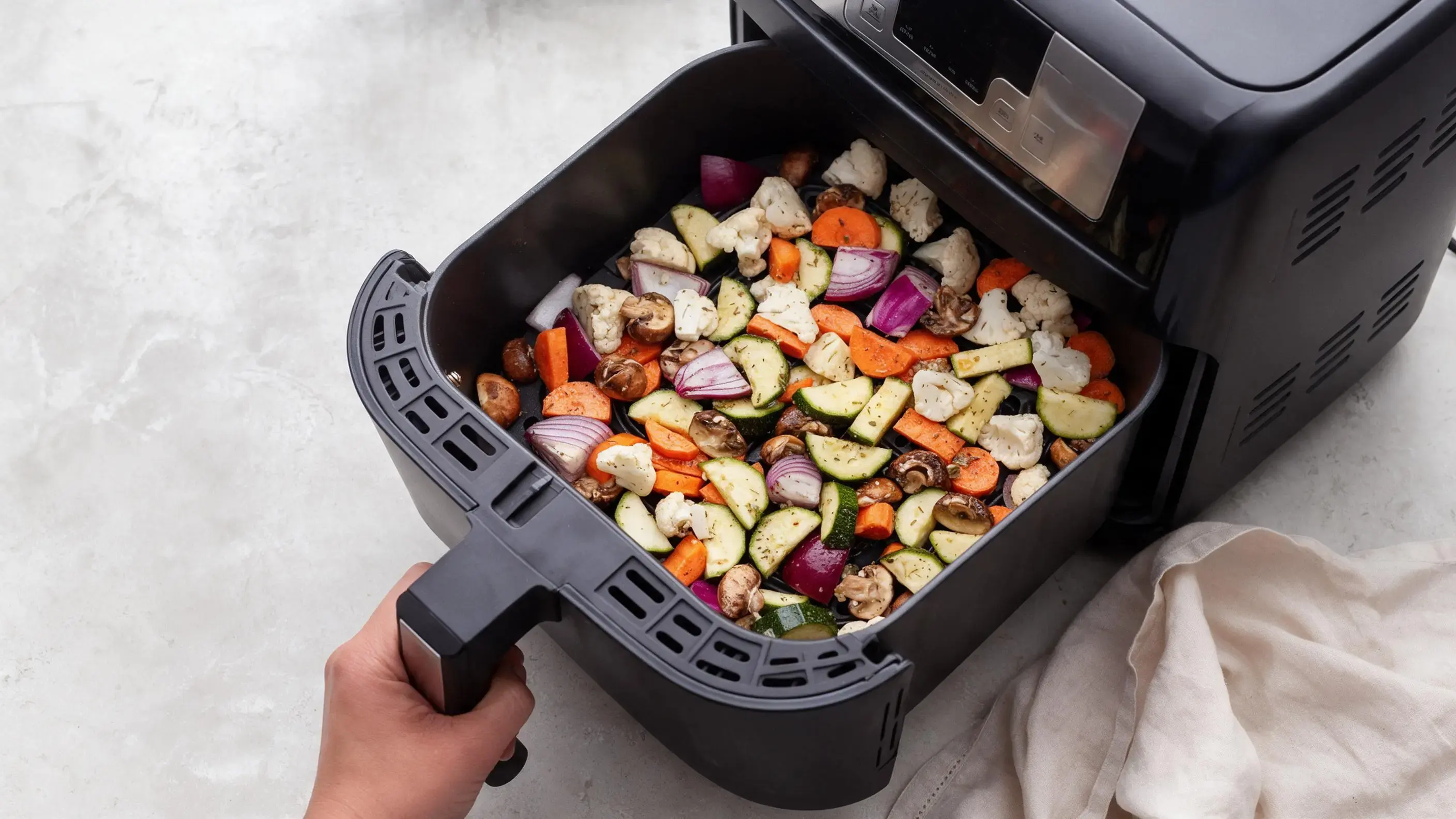
There's something wonderful about a plate of beautifully roasted vegetables. The golden edges of broccoli, the gentle sweetness of roasted carrots, the way a little olive oil and seasoning can turn a handful of everyday ingredients into something genuinely delicious.
And the lovely thing is, you don't need to heat up your entire oven to enjoy them. With an air fryer, you can bring out those wonderful flavors and textures in just a few minutes, often with very little oil and hardly any fuss.
Of course, not every vegetable behaves the same way. Maybe you've tried air frying zucchini and ended up with something a little too soft, or your broccoli turned dark and crispy before the stems were tender. Perhaps you're simply wondering what temperature to use for the vegetables sitting in your fridge.
That's exactly what this guide is here for.
We'll go through the best temperatures and cooking times for everyday vegetables, the little tricks that make them beautifully tender or crispy, and even how to avoid a messy air fryer afterward.
Whether you're making a quick side dish, preparing vegetables for the week, or just trying to bring a little more color to your meals, you'll have everything you need to get started.
Why vegetables love the air fryer
An air fryer is really a small, powerful convection oven. Hot air moves quickly around the food, so vegetables brown and caramelize in a fraction of the time a big oven takes, often without even needing to preheat for long. That browning is where all the flavor comes from, and it’s why so many people who think they don’t like vegetables change their minds after trying them this way.
It’s also a lighter way to cook. Instead of a pot of oil for frying, you only need about a tablespoon of oil for a whole pound of vegetables, and sometimes even less. And honestly, anything that makes vegetables delicious enough to eat more often is a win.
There’s one small thing worth knowing if you love air-fried potatoes. When starchy foods like potatoes are cooked at high heat until very dark, they can form a compound called acrylamide. The FDA has a few easy suggestions for keeping it down:
- Cook potatoes until they’re golden rather than deep brown.
- Soak raw potato pieces in water for 15 to 30 minutes before cooking, then pat them dry.
- Store potatoes in a cool, dark cupboard rather than the fridge.
The FDA doesn’t suggest giving up potatoes at all. These are simply small habits, and as a bonus, soaking and drying also helps potatoes crisp up beautifully.
Air fryer vegetable cooking times and temperatures
One of the nicest things about air frying vegetables is how quickly they can go from fresh and simple to golden and delicious.
But the secret is knowing that every vegetable needs something a little different. Tender asparagus cooks much faster than a chunky piece of butternut squash, and delicate mushrooms need a different approach from hearty potatoes.
Here's a handy chart to help you find the right starting point.
| Vegetable | How to prepare | Temperature | Time |
|---|---|---|---|
| Broccoli | 1-inch florets | 390°F (200°C) | 8–10 min |
| Cauliflower | 1-inch florets | 390°F (200°C) | 17–20 min |
| Carrots | ½-inch pieces | 390°F (200°C) | 13–16 min |
| Brussels sprouts | Halved | 400°F (200°C) | 15–20 min |
| Asparagus | Whole, trimmed | 390°F (200°C) | 8–12 min |
| Green beans | Whole, trimmed | 390°F (200°C) | 8–10 min |
| Zucchini | 1-inch chunks | 390°F (200°C) | 15–18 min |
| Mushrooms | Quartered | 390°F (200°C) | 7–9 min |
| Bell peppers | Whole, for roasting | 390°F (200°C) | 10–15 min |
| Butternut squash | 1–2-inch chunks | 390°F (200°C) | 20–25 min |
| Corn on the cob | Husk removed | 390°F (200°C) | 12–15 min |
| Russet potatoes | 1-inch wedges | 400°F (200°C) | 20–22 min |
| Sweet potatoes | 1-inch chunks | 400°F (200°C) | 15–20 min |
| Small beets | Whole | 390°F (200°C) | 30–35 min |
These approximate times are based on Ninja's basket air fryer cooking guidance. They're starting points rather than exact rules, since air fryers vary in size and heating power.
For the best results, start checking your vegetables a few minutes before the suggested time ends, especially the first time you cook them.
You're looking for different things depending on the vegetable. Broccoli should have lightly crisp, browned edges, carrots should be tender enough for a fork to slide through, and zucchini should be soft without falling apart.
And remember, there's no single perfect texture. Some people love their vegetables with a little bite, while others prefer them wonderfully soft and roasted. Once you find what you like, you can adjust the cooking time to make them exactly your way.
How to cook almost any vegetable in an air fryer
The best part about cooking vegetables in an air fryer is that once you learn the basics, you can use almost the same method for nearly everything.
You don't need a complicated recipe every time. Just a little preparation, the right temperature, and a few minutes of attention.

1. Wash, cut, and dry your vegetables.
Give your vegetables a good rinse, trim away anything you don't need, and cut them into similar-sized pieces.
Try to keep the pieces even so they cook at roughly the same rate. Then pat them dry with a clean kitchen towel.
That little drying step helps prevent excess moisture from turning your beautifully roasted vegetables into steamed ones.
2. Add a little oil and your favorite seasonings.
Place the vegetables in a bowl and toss them with a small amount of olive oil or another suitable cooking oil.
For around a pound of vegetables, 1 tablespoon is a useful starting point, although some vegetables need less and others benefit from a little more.
Add salt, black pepper, garlic powder, paprika, or whichever spices you enjoy.
You don't need much. Sometimes a little olive oil, salt, and pepper are enough to bring out the natural flavor of fresh vegetables.
3. Give them space in the basket.
If your air fryer recommends preheating, warm it up according to the manufacturer's instructions.
Then spread your vegetables in a relatively even layer, with a little space for the hot air to move around them.
A crowded basket traps more moisture, making vegetables softer and less evenly browned. If you're cooking a large amount, two batches can give you a better result than one overflowing basket.
4. Shake halfway, then check for tenderness.
About halfway through cooking, give the basket a gentle shake or turn the vegetables with silicone-tipped tongs.
This helps expose different sides to the heat and encourages even browning.
When the time is nearly up, check a piece with a fork. If it's still a little firm, give it another couple of minutes.
And that's really all there is to it. With a little practice, you'll know exactly how to get the texture you love.
Are air-fried vegetables healthy?
Absolutely, air-fried vegetables can be a wonderful part of a balanced diet.
Vegetables naturally provide important nutrients, including fiber, vitamins, and minerals. And because air fryers circulate hot air around food, you can get those lovely roasted flavors without needing to submerge anything in oil.
As Cleveland Clinic explains, air frying can be a useful alternative to deep frying because it generally requires much less added oil.
But what about the vitamins? Doesn't cooking vegetables destroy some of their nutrients?
It's true that cooking can reduce certain heat-sensitive vitamins, especially vitamin C. However, the amount depends on the vegetable, cooking temperature, time, and method. Vegetables don't suddenly lose all their nutritional value once they're cooked.
In fact, vegetables remain nutritious whether you enjoy them raw, steamed, roasted, or air fried.
And there's something worth remembering: the best way to enjoy vegetables is often the one that makes you want to eat them more regularly.
If a little olive oil, garlic, and beautifully roasted edges make broccoli something you genuinely look forward to, that's a lovely habit to build.
Which vegetables make the biggest mess in an air fryer?
Cooking vegetables in an air fryer is wonderfully convenient, but cleaning the basket afterward isn't always quite as exciting.
And some vegetables, or the way we prepare them, can leave more of a mess than others.
The good news? A little preparation can make cleanup much easier.
- Zucchini, mushrooms, and tomatoes: These contain plenty of water, which can collect in the basket as they cook. Avoid overcrowding and use larger pieces when appropriate to reduce excess moisture.
- Broccoli and cauliflower: Tiny florets and seasoning crumbs can break away, fall through the basket, and occasionally burn. Cut your florets evenly and shake the basket gently.
- Carrots and Brussels sprouts with sweet glazes: Honey, maple syrup, and sugary sauces can caramelize and leave sticky residue. Try adding these toward the end of cooking or after the vegetables are done.
- Breaded zucchini or eggplant: Loose crumbs and coatings can stick to the basket. A light coating of oil and gentle handling can help keep everything together.
Can you use parchment paper to make cleanup easier?
You may have seen those little parchment paper liners made specifically for air fryers. They look wonderfully convenient, especially when you're cooking something with a sticky glaze.
And in air fryers that allow them, suitable liners can make cleanup easier.
But there's something important to know before using one.
Not every air fryer is designed for parchment paper. Some manufacturers, including Philips, advise against it in their models because paper can interrupt the airflow or become a fire hazard if it reaches the heating element.
So before adding parchment or a silicone liner, check your air fryer's manual to make sure it's permitted.
If your model allows parchment liners, choose one suitable for the appliance, don't block the air circulation, and never place loose paper inside during preheating. It must stay securely in place beneath the food.
And if you're hoping for extra-crispy vegetables, cooking directly in the basket is often the better choice because the hot air can circulate more freely.
The easiest way to clean your air fryer afterward
Thankfully, you don't need any complicated cleaning tricks.
Once you've finished cooking:
- Switch off and unplug the air fryer, and allow it to cool before handling the removable parts.
- Remove the basket and discard any loose crumbs or food residue.
- Wash the basket with warm water, a little dish soap, and a soft sponge.
- If food is stuck, let the removable basket soak in warm, soapy water for about 5–10 minutes before gently cleaning it.
- Dry everything thoroughly before putting it back together. Avoid abrasive scrubbers or metal utensils that might damage the nonstick coating.
A little cleaning after each cooking session is usually much easier than trying to remove several days of baked-on residue.
And if you love using your air fryer regularly, that small habit can make the whole experience much more enjoyable.

What about frozen or mixed vegetables?
Here's a little kitchen convenience worth remembering: you don't always need fresh vegetables to make something delicious.
Frozen broccoli, cauliflower, carrots, and other vegetable mixes can work beautifully in the air fryer, especially when you're short on time.
For many frozen vegetables, it's best to cook them straight from frozen rather than thawing them first. Thawing can release extra moisture, making it harder to get those lightly roasted edges.
Use the package instructions as a starting point, check the vegetables as they cook, and shake the basket to encourage even heating. Frozen vegetables can vary quite a bit in size and preparation.
And if you're cooking several kinds of vegetables together, try pairing ones with similar cooking times.
For example, broccoli and cauliflower can make a lovely combination, while potatoes usually need a head start before quicker-cooking vegetables join them.
That way, everything can finish tender and delicious at roughly the same time.
When things don't turn out quite right
Even with a simple method, vegetables sometimes have their own plans. Maybe your zucchini turned out softer than expected, or your broccoli browned a little too quickly.
Most of these little hiccups are easy to fix.
- Vegetables came out soggy? There may have been too much moisture or too many pieces in the basket. Dry them well and cook in smaller batches next time.
- Burnt edges but firm centers? Your temperature may be a little high for the size of your pieces. Try lowering the heat slightly and cooking for longer.
- Vegetables are dry or shriveled? They may have cooked too long or needed a little more oil. Start checking earlier and try a light coating of oil next time.
- Some pieces are ready while others aren't? Cut the vegetables more evenly, and remember to shake or turn them during cooking.
- Seasonings are burning? Delicate herbs or sugary sauces may be browning too quickly. Add them near the end of cooking or just before serving.
The lovely thing about air frying is how easy it is to adjust. A few small changes are often all it takes to turn a disappointing batch into something you'll happily make again.
A few questions you might have
Do I always need to preheat my air fryer for vegetables?
Not necessarily, but preheating can help vegetables start browning more quickly and make cooking times more predictable.
Some air fryers recommend it, while others don't require it. Check your model's instructions, especially if you're using the temperature chart above.
Can I cook vegetables without oil?
Of course. You can air fry many vegetables without adding oil, although the texture and browning may be different.
A little oil can help seasoning stick and encourage those beautiful roasted edges. Even a teaspoon can make a noticeable difference.
What's the best temperature for air fryer vegetables?
For many everyday vegetables, 375–400°F (190–200°C) is a useful range.
Tender vegetables may benefit from a gentler temperature, while dense vegetables like potatoes often do well at the higher end.
The temperature chart above will help you choose a starting point for each vegetable.
Can I cook different vegetables together?
Absolutely! Just remember that vegetables with different textures don't always cook at the same speed.
Pair vegetables with similar cooking times, or give denser vegetables a head start before adding softer ones.
For example, you might cook carrots for several minutes before adding zucchini, so both finish around the same time.
How long do cooked air fryer vegetables last in the fridge?
Most cooked vegetable leftovers can be stored in an airtight container in the refrigerator for 3–4 days, following USDA leftovers guidance.
Refrigerate them within two hours of cooking, or within one hour if the surrounding temperature is above 90°F (32°C).
When you're ready to enjoy them again, a few minutes in the air fryer can help restore some of their roasted texture. Reheat leftovers thoroughly to 165°F (74°C).
A little more color on your plate
The next time you open your fridge and find a few vegetables waiting to be cooked, remember that you don't need an elaborate recipe to make something delicious.
A little olive oil, your favorite seasonings, the right temperature, and a few minutes in the air fryer can turn even the simplest ingredients into a warm, colorful side dish.
Start with the vegetables you already love, experiment with different combinations, and discover the textures and flavors that make you happy.
And don't worry if every batch isn't perfect. Cooking is something we get better at one meal at a time, and sometimes the little experiments turn into our favorite recipes.
Good food doesn't have to be complicated. Sometimes, it just needs a little care and curiosity.
And if you'd ever like a little company in the kitchen, Zestro is an AI voice chef that can guide you through recipes step by step, hands-free, so you can spend less time checking instructions and more time enjoying the process of cooking.
In this story
- air fryer vegetables
- air fryer guide
- roasted vegetables
- healthy cooking
- vegetable side dishes
- air fryer cleaning
- vegan sides
A little more confidence in your kitchen.
Practical ideas from Zestro, the AI voice chef that helps you find your meal and cook it, one step at a time.
Meet your kitchen companion