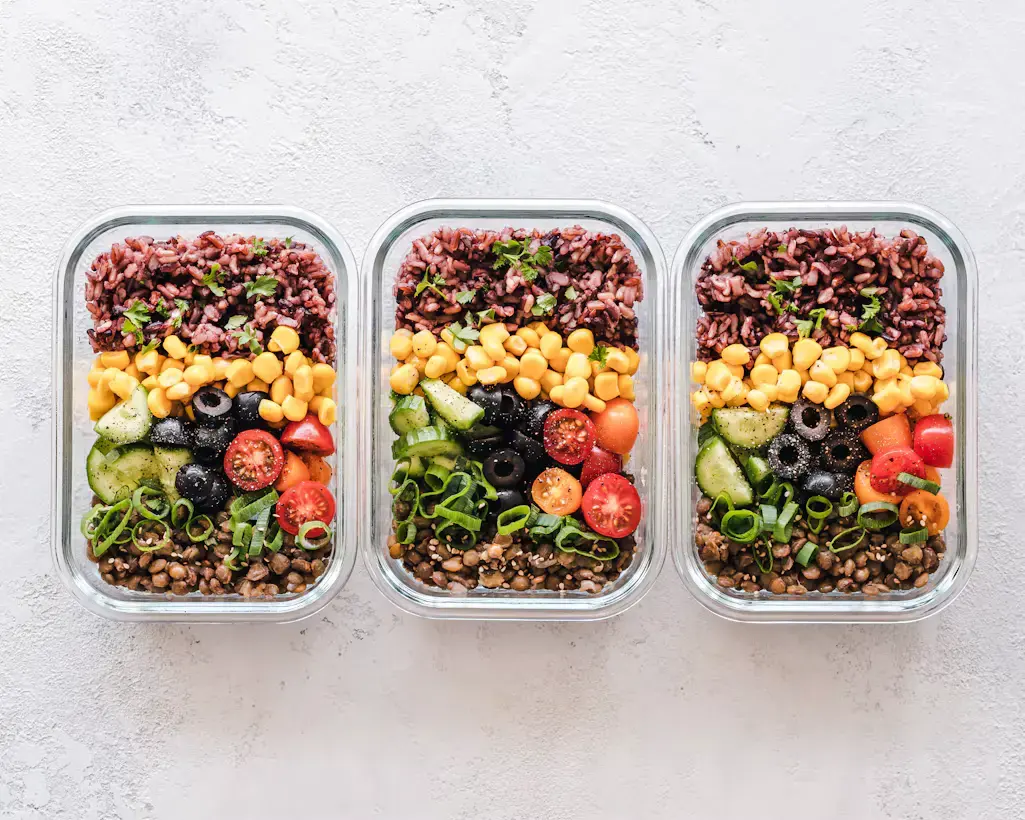
Budget-Friendly Meals That Reuse Groceries
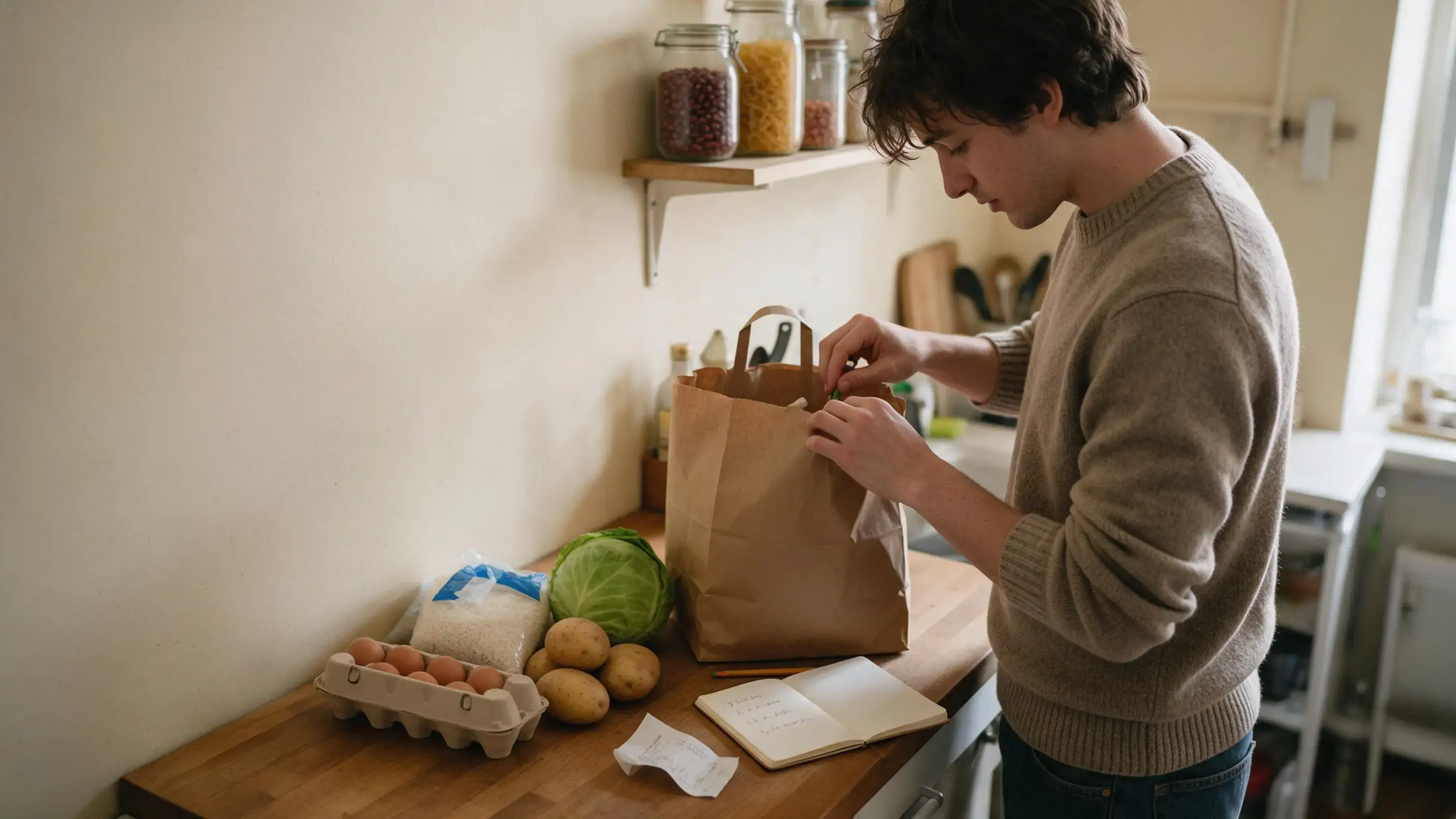
Budget-friendly cooking matters to a lot of different people. Students stretch a small grocery budget across a semester. Expats work out what's affordable in a new country, with unfamiliar stores and prices. Families and anyone watching their spending want dinners that cost less without feeling like a sacrifice. And people who care about the environment want to stop throwing away food they paid for. They all end up asking the same question: how do you eat well without spending much or wasting what you buy?
The most reliable answer is to buy a small set of cheap, flexible staples and reuse them across several dinners, instead of buying new ingredients for every recipe. This guide shows which staples stretch furthest and walks through one grocery basket that becomes four dinners for two people. It also prices the main ingredients using dated, official U.S. average prices, so you can see exactly where the money goes.
Reusable staples: the ingredients that stretch
A staple earns its place when it's cheap, keeps well and works in more than one kind of dinner. A few categories do most of the work.
Grains. Rice, pasta and oats are inexpensive per serving and keep for months in the cupboard. White long-grain rice averaged about $1.12 a pound in U.S. cities in September 2026, according to the Bureau of Labor Statistics, and a pound goes a long way.
Dried beans and lentils. Dried beans averaged about $1.67 a pound in the same data, and a pound cooks up to roughly 6 cups. They take planning, since most need soaking and an hour or more of simmering, but a single batch can cover several meals and freezes well.
Eggs. At about $2.27 a dozen in September, each egg cost roughly 19 cents. They turn leftovers into a meal: fried on top of rice, scrambled into fried rice, or baked with potatoes.
Vegetables that keep. Potatoes, onions, carrots and cabbage last for weeks in a cool, dark spot, unlike salad greens that turn within days. They're the produce that survives a busy week.
Bone-in chicken. Bone-in chicken legs averaged about $1.74 a pound. Roasted once, they give you one dinner straight from the oven and meat for another, and the bones can be simmered into broth.
A few flavor builders. A block of sharp cheese, soy sauce, garlic and one or two spices change the character of a dish with very little of each, which keeps cheap ingredients from tasting the same every night.
The rule that ties these together is simple: before something goes in the cart, it should have at least two dinners planned for it.
One basket, four dinners
Here's how those staples come together in a single shopping trip that covers four dinners for two people, or eight servings if you cook for one and eat the leftovers.
The basket is 3 pounds of bone-in chicken legs, 1 pound of dried black beans, a 2-pound bag of long-grain white rice, a dozen eggs, 2 pounds of potatoes, an 8-ounce block of sharp cheddar, 3 onions, 3 carrots and a small head of green cabbage. From the pantry you'll need oil, garlic, salt and pepper, soy sauce, vinegar, and ground cumin or chili powder.
Day 1: Sheet-pan chicken legs with potatoes and carrots
Heat the oven to 425°F. Cut 1 pound of the potatoes into chunks, slice 2 carrots and 1 onion, and toss them on a large sheet pan (or two) with a tablespoon of oil, salt and pepper. Season all the chicken legs and set them on top. Roast for 40 to 50 minutes, until the vegetables are browned and a thermometer in the thickest part of the chicken reads 165°F.
Eat half the chicken with the vegetables. Pull the meat off the remaining legs while it's still warm and refrigerate it within two hours for Day 3. If you have time, simmer the bones in water for an hour to make a simple broth. Before bed, cover the dried beans with plenty of water to soak overnight.
Day 2: Black beans and rice with cabbage slaw
Drain the beans and put them in a pot with a halved onion, two garlic cloves, and the broth or fresh water to cover by a couple of inches. Simmer until tender, usually 1 to 1½ hours, and salt them near the end. Meanwhile, cook 1½ cups of rice, which makes about 4½ cups. Shred about 2 cups of cabbage and toss it with a splash of vinegar, a little oil and a pinch of salt.
Divide about 2 cups of beans and 1½ cups of rice between two plates, then top with the slaw and 2 ounces of grated cheddar. Cool and refrigerate the remaining beans and rice. Freeze about 2 cups of the beans if you won't use them within 3 to 4 days.
Day 3: Chicken and cabbage fried rice
Yesterday's cold rice fries better than fresh because it's drier. Heat a tablespoon of oil in a large skillet over high heat, add the last carrot, grated or finely chopped, and 2 cups of shredded cabbage, and cook for 3 minutes. Add the 3 cups of leftover rice and the chopped chicken, and stir-fry until everything is hot all the way through. Push it to one side, scramble 3 eggs in the space, then stir everything together with 1 to 2 tablespoons of soy sauce.
Day 4: Black bean and potato hash with fried eggs
Dice the second pound of potatoes and the last onion, and cook them in a tablespoon of oil in a large skillet over medium heat for 15 to 20 minutes, stirring now and then, until browned and tender. Stir in 2 cups of the cooked beans and a teaspoon of cumin or chili powder, and cook until hot. Top with 2 ounces of grated cheddar and a fried egg for each plate.
What's left
After four dinners, you still have about 2 cups of beans in the freezer, more than half the bag of rice, 7 eggs, 4 ounces of cheddar and about half the cabbage. That's the start of next week's meals, not food headed for the trash.
What it costs, and how it was priced
The prices below are U.S. city averages for September 2026 from the Bureau of Labor Statistics' Average Price Data, the most recent month available when this was written. They're national averages, not a quote from any one store, so your own total will be higher or lower depending on where you live and shop.
- Bone-in chicken legs, 3 pounds at $1.74 a pound: $5.22
- Dried beans, 1 pound at [$1.67 a pound](• Dried beans, 1 pound at $1.67 a pound: $1.67): $1.67
- Long-grain white rice, a 2-pound bag at $1.12 a pound: $2.24, of which the four dinners use about $0.68
- Eggs, one dozen at $2.27: $2.27, of which the five eggs used cost about $0.95
- Potatoes, 2 pounds at $0.99 a pound: $1.98
- Cheddar, an 8-ounce block at $6.13 a pound: $3.07, of which the half used costs about $1.53
That's $16.44 at the checkout for these six items. The four dinners use about $12.03 of it, or roughly $1.50 per serving. The rest stays in your kitchen for later meals.
Onions, carrots, cabbage, garlic and pantry items aren't included, because the Bureau of Labor Statistics no longer publishes average prices for those vegetables. Add what they cost at your own store for a complete total. Sales, store brands and bulk buying will move the numbers in either direction. The goal here isn't a promise of a specific grocery bill; it's a method you can use to price your own basket the same way.
Making it work where you live
If you live outside the U.S., or simply shop somewhere with different prices, keep the structure and swap the details. The plan only needs one protein you can cook once and use twice, one grain, one batch of beans or lentils, eggs, and two or three vegetables that keep. Depending on where you are, that might mean lentils instead of black beans, flatbread instead of rice, or whichever chicken cut is cheapest at your market. International grocery stores are often a good place to look for dried beans, rice and spices in larger bags.
If you're a student cooking in a shared kitchen, the plan works with limited fridge space: the dry staples live in the cupboard, and cooked beans and rice can be portioned into containers and frozen.
Cutting waste is where budget cooking and caring for the environment meet. The USDA estimates that 30 to 40 percent of the U.S. food supply goes to waste, and that food loss at the store and consumer level alone was worth over $160 billion in 2010. Every portion you eat instead of throwing away saves money, along with the land, water and energy that went into producing it (USDA).
To keep leftovers safe as well as useful, refrigerate cooked food within two hours, eat it within 3 to 4 days, and freeze anything you won't get to by then. Reheat leftovers to 165°F, following USDA food safety guidance.
Start with your next shopping list
Budget-friendly meals come from how you shop more than from any single cheap recipe. Choose a handful of staples, give every ingredient at least two jobs, and cook the slow things like beans, rice and chicken once for several meals.
Before your next trip, write down four dinners and check that each fresh ingredient appears in at least two of them. Price your basket the way it's done above, and after a week or two you'll know exactly what a dinner costs you, wherever you live.
In this story
- cheap dinners
- grocery budget
- meal planning
- food waste
- student meals
A little more confidence in your kitchen.
Practical ideas from Zestro, the AI voice chef that helps you find your meal and cook it, one step at a time.
Meet your kitchen companion