High-Protein Pasta: Best Types, Cooking Tips & Easy Recipes
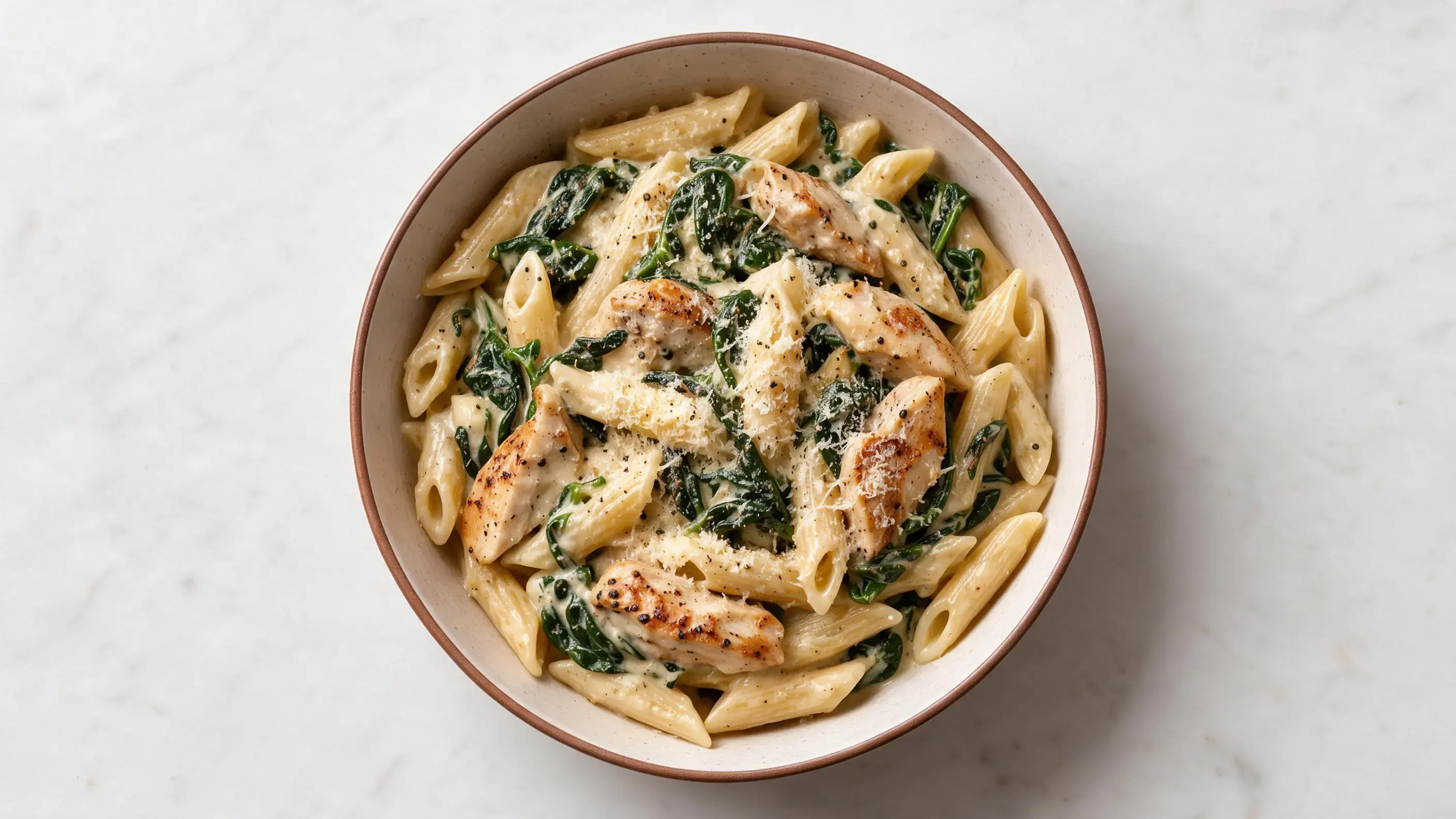
A good bowl of pasta is all about the little things. Perfectly tender pasta, a rich, creamy sauce that coats every bite, and perhaps a little freshly grated Parmesan to bring everything together. And if you're looking to add more protein to your meals, there's no reason to give up any of those delicious details.
High-protein pasta can be just as flavorful and satisfying as the dishes you already love. You can start with pasta made from chickpeas or lentils, which naturally contain more protein than traditional varieties, or simply pair your favorite pasta with ingredients like chicken, tuna, tofu, or a creamy cottage cheese sauce. Sometimes, a few thoughtful additions are all it takes to turn an everyday dish into a more balanced, protein-rich meal.
Of course, not every type of pasta cooks the same way. Chickpea and lentil pasta can have a slightly different texture, and protein-rich sauces sometimes need a gentler touch to stay beautifully smooth and creamy. But once you know a few simple tricks, making a delicious high-protein pasta dish becomes wonderfully easy.
In this guide, we'll explore the different types of high-protein pasta, how to cook them for the best texture, and a creamy garlic chicken and spinach pasta recipe that's full of flavor. Whether you're trying to eat more protein, preparing meals for a busy week, or simply looking for something delicious to make, you'll find plenty of ideas to bring to your kitchen.
What exactly is high-protein pasta?
When you hear the words high-protein pasta, you might imagine a special kind of pasta made for athletes or people following a strict diet.
But it's actually much simpler than that.
High-protein pasta generally refers to pasta made with ingredients that provide more protein than traditional wheat pasta. Instead of relying entirely on durum wheat, these varieties may use chickpeas, lentils, soybeans, or a combination of wheat and plant proteins.
And the difference can be quite noticeable.
A serving of traditional pasta typically contains around 7 grams of protein, while certain legume-based varieties can provide considerably more.
But here's something worth remembering: you don't need special pasta to make a high-protein pasta meal.
A bowl of ordinary penne with grilled chicken, vegetables, and a protein-rich sauce can provide plenty of protein, too.
Think of it as having two options. You can choose a pasta that's naturally richer in protein, or you can build a protein-rich meal around the pasta you already enjoy.
Both approaches can be delicious.
Which types of pasta have the most protein?
Not all pasta is made from the same ingredients, and that affects everything from its protein content to its flavor and texture.
Some varieties taste remarkably similar to traditional pasta, while others have a slightly nutty or earthy character.
Here's a quick comparison to help you find something that suits your preferences.
| Pasta type | Protein per 2 oz (56 g) dry | What to expect |
|---|---|---|
| Regular wheat pasta | About 7 g | Familiar flavor and tender, slightly firm texture |
| Protein-enriched wheat pasta | About 10 g | Similar to traditional pasta, often with added legume protein |
| Chickpea pasta | About 12 g | Mild, slightly nutty flavor and a firmer bite |
| Red lentil pasta | About 14 g | Earthy flavor and a tender texture |
| Edamame pasta | About 24 g | Distinctive soybean flavor and a firmer, springier texture |
These figures are approximate examples based on published nutrition information from Barilla and Explore Cuisine, normalized to the same dry weight. Protein content varies by product, so always check the packaging.
Which one should you choose?
If you're trying high-protein pasta for the first time, protein-enriched wheat pasta is a gentle place to start. Its familiar flavor and texture make it easy to use in the recipes you already love.
Chickpea pasta is another lovely option, especially with tomato sauces, pesto, or roasted vegetables. It brings a little extra character to the dish without completely changing the experience of eating pasta.
Red lentil pasta works beautifully with savory sauces, mushrooms, and herbs. Its earthy flavor can be especially delicious when paired with garlic and Parmesan.
And if maximizing the protein in the pasta itself is your main priority, edamame pasta is worth exploring. Just know that it tastes noticeably different from classic wheat pasta.
There's no need to choose the variety with the highest number every time. Flavor, texture, ingredients, and what you enjoy eating all matter.

Creamy garlic chicken and spinach high-protein pasta
Now for the delicious part.
This creamy garlic chicken pasta is a simple way to bring more protein to your plate while keeping everything you love about a good pasta dish.
Tender chicken, fresh spinach, a little Parmesan, and a beautifully smooth sauce made with cottage cheese come together in one satisfying meal.
And before you worry about the cottage cheese, don't. Once blended, it becomes wonderfully creamy, with a gentle tang that works beautifully with garlic and Parmesan.
You can make this recipe using regular pasta, protein-enriched penne, or your favorite chickpea pasta.
- Serves: 4
- Prep time: 10 minutes
- Cook time: 15–20 minutes
- Total time: About 30 minutes
What you'll need
Nothing complicated here. Just a few everyday ingredients that work beautifully together.
- 8 oz (225 g) dry penne or another pasta of your choice
- 1 pound (450 g) boneless, skinless chicken breast, cut into bite-sized pieces
- 1 cup cottage cheese, preferably 2% or 4% milk fat
- ¼ cup freshly grated Parmesan cheese
- 3 cups fresh baby spinach
- 3 cloves garlic, finely minced
- 1 tablespoon olive oil
- ½ teaspoon dried Italian seasoning
- ¼ teaspoon black pepper
- Salt, to taste
- ½–1 cup reserved pasta cooking water, as needed
For serving (optional):
- Extra Parmesan
- Fresh parsley or basil
- A little lemon zest
The cottage cheese is our little secret ingredient here. It helps create a rich, creamy sauce while adding protein, without needing a large amount of heavy cream.
Let's get cooking
1. Start with the pasta.
Bring a large pot of salted water to a boil and add your pasta.
Cook according to the package instructions, stirring occasionally, until it's tender with a little bite in the center.
If you're using chickpea or lentil pasta, start checking a minute or two before the suggested cooking time ends. These varieties can become too soft if left boiling for too long.
Before draining, scoop out about a cup of the starchy cooking water and set it aside.
That cloudy water might not look particularly exciting, but it's wonderful for helping sauces coat pasta smoothly.
2. Cook the chicken until golden and tender.
While the pasta cooks, heat the olive oil in a large skillet over medium-high heat.
Add the chicken pieces in an even layer, season with the Italian herbs, black pepper, and a little salt, and let them cook for about 6–9 minutes, turning occasionally.
The exact time depends on the size of your pieces.
You're looking for lightly golden edges and chicken that's cooked all the way through. Use a meat thermometer to check that the thickest pieces reach 165°F (74°C).
Once ready, transfer the chicken to a clean plate while you prepare the sauce.

3. Blend your creamy sauce.
Add the cottage cheese and Parmesan to a blender, along with about ⅓ cup of the warm reserved pasta water.
Blend until the mixture looks completely smooth and creamy.
You want a sauce that pours easily but still has enough body to cling to the pasta.
If it's a little thick, add another small splash of warm pasta water.
And if you're wondering whether the sauce will taste strongly of cottage cheese, the garlic, Parmesan, and other ingredients help bring everything into balance.
4. Add the garlic and spinach.
Return the skillet to medium-low heat.
Add the minced garlic and stir for about 30 seconds, just until fragrant. If the pan looks dry, add a teaspoon of water or a small extra drizzle of oil.
Then add the spinach and stir gently for another minute or two, until the leaves soften and turn a beautiful deep green.
Garlic can become bitter when it burns, so keep the heat gentle here.
5. Bring everything together.
Turn off the heat and allow the skillet to cool slightly.
Add the drained pasta, cooked chicken, and blended cottage cheese sauce.
Gently toss everything together until the sauce coats the pasta and the spinach is evenly distributed.
If the mixture seems too thick, add a little more reserved pasta water, a tablespoon or two at a time.
The key is to avoid boiling the cottage cheese sauce. High heat can cause it to separate and become grainy, while gentle residual warmth helps it stay smooth.
Taste and adjust the salt or pepper if needed.

6. Serve warm and enjoy.
Divide the pasta between four bowls and finish with a little freshly grated Parmesan.
A sprinkle of chopped parsley or basil adds a lovely fresh touch, while a little lemon zest can brighten up the creamy sauce.
Serve it while it's warm, when the sauce is smooth and the pasta is perfectly tender.
It's simple, flavorful, and the kind of meal that feels satisfying without requiring an afternoon in the kitchen.
How much protein is in this pasta?
Using the ingredient amounts above, a serving made with regular wheat pasta provides an estimated 40–45 grams of protein and approximately 450–500 calories.
The chicken contributes most of the protein, while the cottage cheese, Parmesan, and pasta add more.
Using chickpea or another protein-enriched pasta may increase the total further.
These are estimates based on typical ingredient nutrition values, not laboratory-tested figures. The exact numbers will depend on the pasta brand, cottage cheese, chicken, and portion sizes you use.
How to make high-protein pasta taste its best
High-protein pasta can be delicious, but a few small adjustments make a noticeable difference, especially when you're cooking with chickpeas or lentils for the first time.
- Don't overcook it. Legume-based pasta can soften quickly. Taste it a little earlier than you would traditional pasta, and drain it once it's tender but still holds its shape.
- Choose a sauce that complements the flavor. Chickpea pasta works well with pesto and tomato sauces, while the earthy notes of lentil pasta pair nicely with mushrooms, garlic, and herbs.
- Save some pasta water. A small splash helps bring the pasta and sauce together, particularly when the sauce starts to feel too thick.
- Keep creamy protein-rich sauces gentle. Cottage cheese and yogurt-based sauces can separate when overheated. Blend cottage cheese smooth and add it over low or residual heat.
- Season thoughtfully. Garlic, Parmesan, lemon zest, fresh herbs, and black pepper can make even a very simple pasta dish taste wonderful.
And don't worry if your first attempt with a new type of pasta feels a little different.
Every variety has its own character. Once you find the cooking time and sauce combinations you enjoy, it becomes much easier to make it part of your regular meals.
Three more delicious ways to add protein to pasta
One of the best things about pasta is how adaptable it is.
You can start with your favorite shape, use whatever ingredients you have available, and build a lovely meal around them.
Here are three easy combinations worth trying.
Tuna and tomato pasta
For those evenings when you want something delicious without much preparation, canned tuna is a wonderfully convenient ingredient.
Cook your favorite pasta, then toss it with a simple tomato sauce, a little garlic, canned tuna, and a handful of fresh parsley.
Finish with a squeeze of lemon to brighten everything up.
The tuna provides protein, while the tomato sauce keeps the dish fresh and full of flavor. It's an affordable option that's easy to make with pantry ingredients.
Chickpea pesto pasta
For a meat-free option, try combining chickpea pasta with a spoonful of basil pesto, cherry tomatoes, and a handful of baby spinach.
Add some white beans or peas if you'd like to make the meal more substantial.
The pesto brings a fragrant, savory richness, while the tomatoes add little bursts of sweetness.
Use a dairy-free pesto if you're making the dish vegan.
Creamy tofu and mushroom pasta
If you enjoy mushrooms, this combination is worth trying.
Sauté sliced mushrooms with garlic and a little olive oil until they're golden, then add cubes of firm tofu and your favorite herbs.
Toss everything with cooked pasta and a creamy sauce made from blended silken tofu, a little vegetable broth, and nutritional yeast.
The result is a savory, satisfying pasta with a lovely creamy texture, made entirely from plant-based ingredients.
And of course, these are just starting points. You can swap vegetables, experiment with sauces, or use whatever protein you already have in the fridge.
Sometimes, the most delicious combinations come from simply making use of what you have.
A few questions you might have
Is high-protein pasta healthier than regular pasta?
It can be a useful choice, especially if you're trying to increase your protein intake.
Legume-based pasta may also provide more fiber than traditional varieties, depending on the product.
But regular pasta can still be part of a balanced diet. The sauce, vegetables, protein sources, and portion sizes all contribute to the overall nutritional value of your meal.
Does high-protein pasta taste different?
Sometimes, yes.
Protein-enriched wheat pasta often tastes similar to traditional pasta, while chickpea and lentil varieties can have a slightly nutty or earthy flavor.
Edamame pasta has a more noticeable soybean taste.
If you're trying one for the first time, pair it with a sauce you already enjoy. Familiar flavors can make the change feel much more natural.
Is high-protein pasta gluten-free?
Not always.
Pasta made entirely from chickpeas or lentils is naturally free from gluten-containing ingredients, but cross-contact can occur during manufacturing.
If you need to avoid gluten, look for a product specifically labeled gluten-free.
Protein-enriched wheat pasta still contains wheat and is not suitable for someone who needs to avoid gluten.
Can I prepare high-protein pasta ahead of time?
Absolutely. Pasta can be a great option for preparing meals in advance.
For the creamy chicken recipe, refrigerate leftovers in an airtight container within two hours of cooking and use them within 3–4 days.
When reheating, add a small splash of water or milk and warm gently, stirring occasionally to help loosen the sauce.
Make sure the chicken and leftovers reach 165°F (74°C) throughout before eating.
Do I need protein pasta if I'm already adding chicken?
Not necessarily.
Chicken, tuna, tofu, beans, and protein-rich sauces can all help increase the protein content of a pasta dish.
Using high-protein pasta gives you another way to add more, but there's no need to use every protein-rich ingredient at once.
Choose what works for your tastes, nutritional needs, and the meal you're making.
Your next delicious bowl of pasta
Making high-protein pasta doesn't have to mean changing everything about the meals you love.
Sometimes, it's as simple as choosing chickpea pasta instead of regular penne, adding a little extra chicken, or blending cottage cheese into a beautifully creamy sauce.
The important thing is finding combinations that taste delicious and fit naturally into your everyday cooking.
Start with the creamy garlic chicken and spinach recipe, then have fun exploring other ingredients and flavors. Try a new pasta variety, add your favorite vegetables, or discover a sauce you love enough to make again next week.
Because eating well should still be something you look forward to, one delicious meal at a time.
And if you'd ever like a little company while you cook, Zestro is an AI voice chef that can guide you through recipes step by step, hands-free, so you can focus on making something delicious without constantly checking your screen.
In this story
- High-Protein Recipes
- Pasta Recipes
- Healthy Dinner Ideas
- Easy Dinner Recipes
- Cooking Guides Copy all tags
A little more confidence in your kitchen.
Practical ideas from Zestro, the AI voice chef that helps you find your meal and cook it, one step at a time.
Meet your kitchen companion